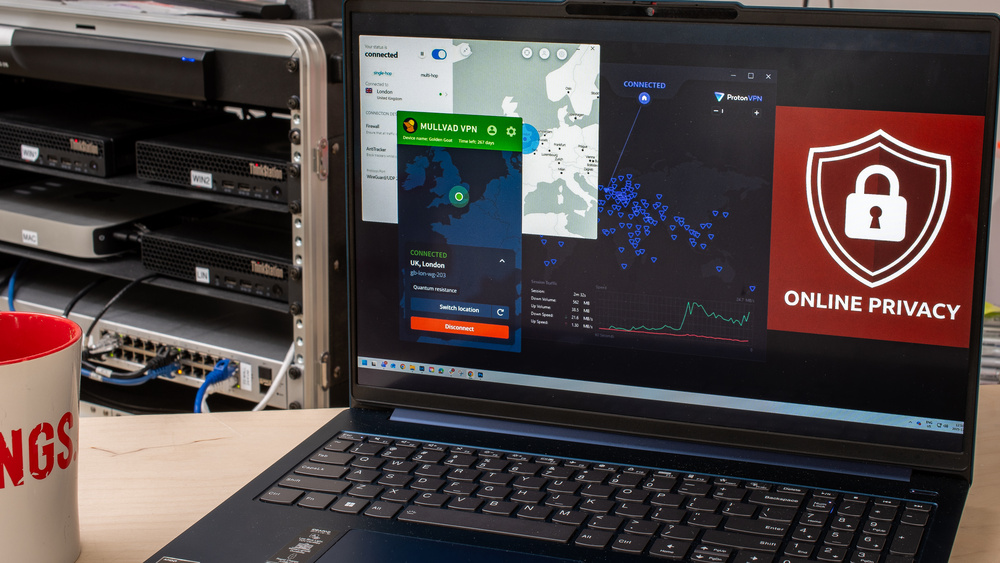
Best VPNs for Online Privacy

Online privacy means keeping your internet activity, personal information, and identity safe from spying, tracking, and unauthorized access. Every time you go online, your internet service provider, apps, websites, and sometimes hackers can see parts of what you do. A VPN — short for Virtual Private Network — helps protect your privacy by hiding your real location and encrypting your internet activity. In 2026, online privacy is more important than ever, and using a good VPN is one of the best ways to protect yourself.

VPNs create a secure, encrypted tunnel between your device and the internet. This makes it difficult for anyone to see where you are, what you browse, or what you download. But not all VPNs are equal. Some are better than others at keeping your data safe, protecting you from trackers, and respecting your privacy. This guide explains the best VPNs beginners can use to improve online privacy.

What Makes a VPN Good for Privacy?

Before we look at specific VPNs, let’s understand what features matter most when the goal is privacy:

  • No-logs policy — The VPN does not store your browsing history, apps used, IP address, or connection times.
  • Strong encryption — Military-grade protection like AES-256 makes your data unreadable to outsiders.
  • Secure protocols — Privacy-focused connection methods that resist interception.
  • Kill switch — Ensures your internet connection is blocked if the VPN connection drops, preventing data leaks.
  • Privacy-friendly location — VPN providers headquartered in countries with strong privacy laws help protect your information.
  • No data collection — The provider does not sell or track your usage for advertising.

These features make a VPN strong in terms of privacy, not just speed or streaming.

NordVPN

NordVPN is one of the most popular VPNs for online privacy. It protects your internet traffic with strong encryption and a strict no-logs policy. The company is located in a privacy-friendly jurisdiction, which means there are no laws forcing it to collect or share your data.

NordVPN also offers extra privacy options such as double VPN routing, which sends your traffic through two VPN servers before reaching the internet. This adds an additional layer of protection. It also has a kill switch that blocks internet access if the VPN temporarily disconnects, keeping your data safe even in weak Wi-Fi zones.

The simple interface makes it easy to use for beginners. You can select the country you want to connect to with a single tap and start browsing privately instantly. It works on phones, tablets, laptops, and many other devices.

Surfshark

Surfshark is a strong choice for privacy and value. It supports unlimited devices on a single account, which means you can protect all your phones, computers, and tablets at once. It uses high-grade encryption and has a strict no-logs policy, which means your activity is never recorded.

Surfshark offers additional privacy tools like ad and tracker blocking. This helps prevent websites and apps from following your online activity. It also has a kill switch and DNS leak protection to make sure your data does not accidentally leak outside the VPN.

For beginners, the app is straightforward and user-friendly. It shows your connection status clearly and offers one-click protection.

Proton VPN

Proton VPN is known for its strong commitment to privacy. It is based in a country with strict privacy laws, meaning the company is not required to store or hand over user data. Proton VPN uses strong encryption and follows a strict no-logs policy.

One standout feature is Secure Core, which routes your connection through multiple private servers before it reaches the public internet. This adds an extra layer of privacy, especially when using public Wi-Fi or sensitive networks.

Proton VPN also supports secure connection protocols and includes a kill switch to protect your data if the VPN disconnects. Its apps are easy to set up, making it suitable for both beginners and more advanced users.

ExpressVPN

ExpressVPN is often recommended for people who want reliable privacy protection without complicated settings. It uses strong encryption and strict privacy rules to protect your online activity. It also has a reliable kill switch and secure connection protocols that make sure your data stays safe at all times.

The app is easy to use and works on a wide range of devices, including phones, computers, smart TVs, and routers. ExpressVPN has a strong track record of protecting users’ privacy and resisting forced data requests, which makes it a trusted choice for many privacy-conscious users.

Mullvad VPN

Mullvad VPN is unique because it places a big focus on anonymity from the moment you sign up. Instead of asking for your email address or personal information, Mullvad gives you a random account number. This makes your identity even harder to trace.

Mullvad also uses strong encryption and a strict no-logs policy. It supports advanced privacy features, and it allows anonymous payment options like cash or cryptocurrency. The user interface is simple and easy to understand, making it a good choice for people who want maximum privacy without complicated settings.

Private Internet Access

Private Internet Access, commonly called PIA, has a large server network and strong privacy protections. It uses modern encryption standards and does not store logs about your online activity. PIA also allows advanced customization of connection settings, which makes it a good option for users who want to learn more about VPN behavior.

PIA’s apps offer a privacy-friendly experience with features like a kill switch, DNS leak protection, and secure protocols. Beginners can start with default settings and gradually explore more options as they become more confident.

Hide.me

Hide.me is another VPN focused on privacy and ease of use. It has a strict no-logs policy and uses strong encryption to secure your connection. Hide.me also includes features like a kill switch and secure connection protocols to protect your data.

The app is designed to be beginner-friendly with large buttons and clear instructions. Users can quickly connect to a privacy-focused server and start browsing without confusion. For people who want a basic but reliable VPN, Hide.me is a solid choice.

What About Free VPNs?

Free VPNs can be tempting, but many have serious privacy concerns. Some free VPNs may:

  • Track or sell your browsing data
  • Display ads inside the app
  • Limit your connection speed
  • Offer only a few server locations
  • Sell usage data to advertisers

If you choose a free VPN, make sure it clearly states it does not collect logs or sell data. One VPN offers a free plan with strong privacy, but always check the privacy policy and reputation before trusting a free service.

How to Choose the Right VPN for You

Choosing the right VPN depends on what matters most to you. Here are a few questions to think about:

  • Do you want strong privacy only, or do you also need fast streaming support?
  • How many devices do you want to protect at once?
  • Do you want a beginner-friendly app or one with advanced settings?
  • Does the provider have a clear no-logs policy and strong encryption?
  • Is the VPN based in a privacy-friendly country?

Answering these helps you narrow down your choice.

Setting Up Your VPN

Using a VPN is usually simple:

  1. Install the VPN app on your device.
  2. Open it and sign in to your account.
  3. Choose a server location.
  4. Tap connect.
  5. Once connected, your internet activity is private and encrypted.

A good VPN will also show your connection status and notify you if the connection drops.

Common Mistakes to Avoid

Even with a VPN, your privacy is not automatic. Avoid these common mistakes:

  • Using weak or reused passwords
  • Not turning on the VPN before browsing
  • Connecting to public Wi-Fi without VPN
  • Sharing login codes or personal details
  • Using VPNs without a no-logs policy

Remember, a VPN protects your data in transit, but you still need good security habits overall.

Final Thoughts

Using a VPN is one of the best ways to protect your online privacy in 2026. The right VPN hides your IP address, encrypts your internet traffic, and makes it much harder for anyone to spy on your activity. Services like NordVPN, Surfshark, Proton VPN, ExpressVPN, Mullvad VPN, Private Internet Access, and Hide.me each provide strong privacy protection with different features to suit various needs.

When you choose a VPN with a strict privacy policy, strong encryption, secure protocols, and user-friendly apps, you take a big step toward stronger online privacy. Whether you are browsing at home, using public Wi-Fi, streaming video, or accessing sensitive accounts, a good VPN gives you peace of mind in the digital world. If you want help comparing specific features and prices next, just ask!
Top Cyber Security Tools for Beginners

In 2026, cyber security is one of the most important skills anyone can have. Whether you are a student, professional, small business owner, or just someone who uses the internet, understanding how to protect yourself online is essential. Cyber threats are everywhere—malware, phishing, ransomware, data breaches, weak passwords, fake apps, and unsafe networks. Using the right tools can help you stay safe. But beginners often do not know where to start. This guide explains the top cyber security tools that are easy to use and perfect for anyone starting their cyber security journey.

These tools will help you secure your devices, protect your data, learn about threats, and build good online habits. Each tool is explained simply so you understand what it does and how it can help you.

Antivirus and Security Suites

Every device needs protection, and the first line of defense is antivirus software. Antivirus tools scan your system to detect and remove malware like viruses, spyware, ransomware, and trojans. They also protect you in real time so threats can be stopped before they cause damage.

Real-Time Antivirus Protection

Antivirus tools continuously scan files, downloads, and apps. When something looks harmful, the tool blocks it and warns you. For beginners, a simple antivirus with an easy interface is best. These tools often include:

  • On-demand scanning
  • Real-time protection
  • Browser protection
  • Scheduled scans
  • Malware removal

Using trusted antivirus software keeps your phone, laptop, tablet, and desktop safe from common threats.

Password Managers

Weak passwords and reused passwords are two of the biggest reasons accounts get hacked. Password managers help you create, store, and autofill strong passwords without you having to remember them.

How Password Managers Help

A password manager:

  • Generates strong unique passwords
  • Stores them securely in an encrypted vault
  • Autofills login forms
  • Syncs passwords across devices
  • Stores secure notes

Instead of remembering dozens of passwords, you remember one strong master password. Password managers protect against password theft and make your online life much easier.

Two-Factor Authentication (2FA) Apps

Two-factor authentication (2FA) adds a second step after your password. Instead of only entering a password, you also enter a code or approve a prompt on your phone. This makes it much harder for hackers to enter your accounts even if they steal your password.

Why 2FA Apps Are Useful

2FA apps generate time-based codes that change every 20–30 seconds. Hackers cannot guess these codes because they are created locally on your device. With simple setup, 2FA tools dramatically reduce the risk of account compromise.

VPN (Virtual Private Network)

A VPN protects your internet connection by encrypting your data. This is especially useful when you use public Wi-Fi networks like cafes, airports, hotels, or universities. Without a VPN, hackers can intercept your data and steal sensitive information.

Benefits of Using a VPN

When you use a VPN:

  • Your online activity becomes private
  • Your IP address is hidden
  • Your data is encrypted
  • You can use public Wi-Fi more safely

For beginners, choose a VPN with a simple app and strong privacy policies. A VPN is not perfect, but it adds an important layer of safety.

Firewall Tools

A firewall monitors incoming and outgoing traffic on your device. It works as a barrier between your system and the internet. Firewalls block suspicious connections and stop hackers from entering your network.

How Firewalls Help

Firewalls can:

  • Block unauthorized access attempts
  • Alert you to unusual network activity
  • Control which apps connect to the internet
  • Protect home networks

Both computers and routers can have firewall protection. Beginners should turn on built-in firewalls and learn basic firewall settings.

Network Scanners

Network scanners help you see who and what is connected to your network. They are especially helpful to beginners who want to learn about network security. Network scanners show:

  • Connected devices
  • Open ports
  • Network vulnerabilities
  • Device types

By scanning your home Wi-Fi, you can detect unknown devices or weak security settings and take action.

Phishing Awareness Tools

Phishing is one of the most common cyber threats. Hackers send fake emails, messages, or links that look real but steal your passwords or install malware. Phishing awareness tools help you identify and block these threats.

What These Tools Do

Phishing tools can:

  • Scan URLs before you click
  • Warn about fake websites
  • Analyze email links for danger
  • Provide browser extensions for protection

Using these tools helps beginners avoid dangerous links and stay safe online.

Secure Browsers and Add-Ons

Your web browser is where most internet activity happens. Secure browsers and browser extensions help block trackers, unsafe sites, intrusive ads, and phishing attempts.

Examples of Browser Security Features

Good browsers and extensions can:

  • Block pop-ups
  • Warn about unsecured pages
  • Prevent browser fingerprinting
  • Force HTTPS connections
  • Block ads and trackers

Secure browsers make your internet experience safer and more private.

Cloud Backup Tools

Protecting data is not only about stopping hackers, it is also about backups. Cloud backup tools automatically save your important files to secure servers. If your device is lost, stolen, or attacked by ransomware, you can restore your data.

Why Backups Matter

Backups ensure:

  • Your photos stay safe
  • Documents are recoverable
  • Files aren’t lost to malware
  • You have a copy if your device fails

Cloud backups work silently in the background and give peace of mind.

Password Strength Checkers

Some tools check how strong your passwords are. These tools analyze:

  • Password length
  • Reuse across accounts
  • Predictability
  • Exposure in data breaches

By knowing which passwords are weak or leaked, you can change them before hackers exploit them.

Basic Vulnerability Scanners

Vulnerability scanners are tools that scan systems or websites for known security issues. For beginners, simple vulnerability scanners help you learn about risks without needing advanced knowledge.

How Vulnerability Scanners Work

They check:

  • Outdated software
  • Missing security patches
  • Weak configurations
  • Known exploits

By learning where weaknesses exist, beginners can start fixing them step by step.

Secure Messaging Apps

Private communication matters. Secure messaging apps use end-to-end encryption, which means only you and the person you message can read the texts. Even the service provider cannot see your messages.

Why Secure Messaging Helps

Encrypted messaging protects:

  • Texts
  • Calls
  • Media files
  • Group chats

Using secure messaging keeps personal conversations private from hackers and data collectors.

Endpoint Protection Tools

Endpoint protection tools secure computers, phones, tablets, and other smart devices. They combine traditional antivirus with advanced detection, cloud intelligence, behavior analysis, and automatic response.

Benefits for Beginners

These tools provide:

  • Easy dashboards
  • Centralized protection
  • Automatic threat response
  • Minimal technical setup

Endpoint protection for personal use gives strong security without complex configuration.

Learning Platforms and Practice Labs

Cyber security is a skill. Tools help, but learning how to use them and understand threats makes you stronger online. Many platforms offer safe hands-on labs where beginners can practice real cyber security techniques without risk.

What You Can Learn

These platforms teach:

  • Basic networking
  • Security testing
  • Ethical hacking principles
  • Real-world scenarios
  • Guided challenges

Learning platforms help beginners build confidence and skills.

Security Awareness Games and Simulations

Learning doesn’t have to be boring. Some tools combine gaming with security training. These simulate real cyber threats like phishing, malware, or hacking scenarios so beginners can learn through interactive challenges.

Why This Helps Beginners

Games and simulations:

  • Make learning fun
  • Teach practical skills
  • Increase retention
  • Build real threat understanding

Security games prepare users for real online danger.

Simple Security Checkup Tools

Some tools give you a quick overview of your security setup by checking:

  • Password strength
  • 2FA status
  • Device updates
  • Network settings
  • Privacy settings

These checkups help beginners focus on the most urgent fixes without confusion.

Final Thoughts

Cyber security is no longer just for experts. In 2026, threats are everywhere, but so are tools to protect you. Beginners should start with tools that are easy, reliable, and beginner-friendly. Antivirus protection, password managers, 2FA apps, VPNs, firewalls, phishing tools, secure browsers, cloud backups, vulnerability scanners, secure messaging, learning platforms, and checkup tools form the foundation of good cyber security habits.

Using these tools regularly helps you stay safer online and reduces the chance of hackers, malware, or data loss. As you learn more, you can explore advanced tools, but these basics will protect you well in the beginning. Cyber security is a journey, and with the right tools by your side, you can confidently take the first steps toward a safer digital life.